Uncategorized
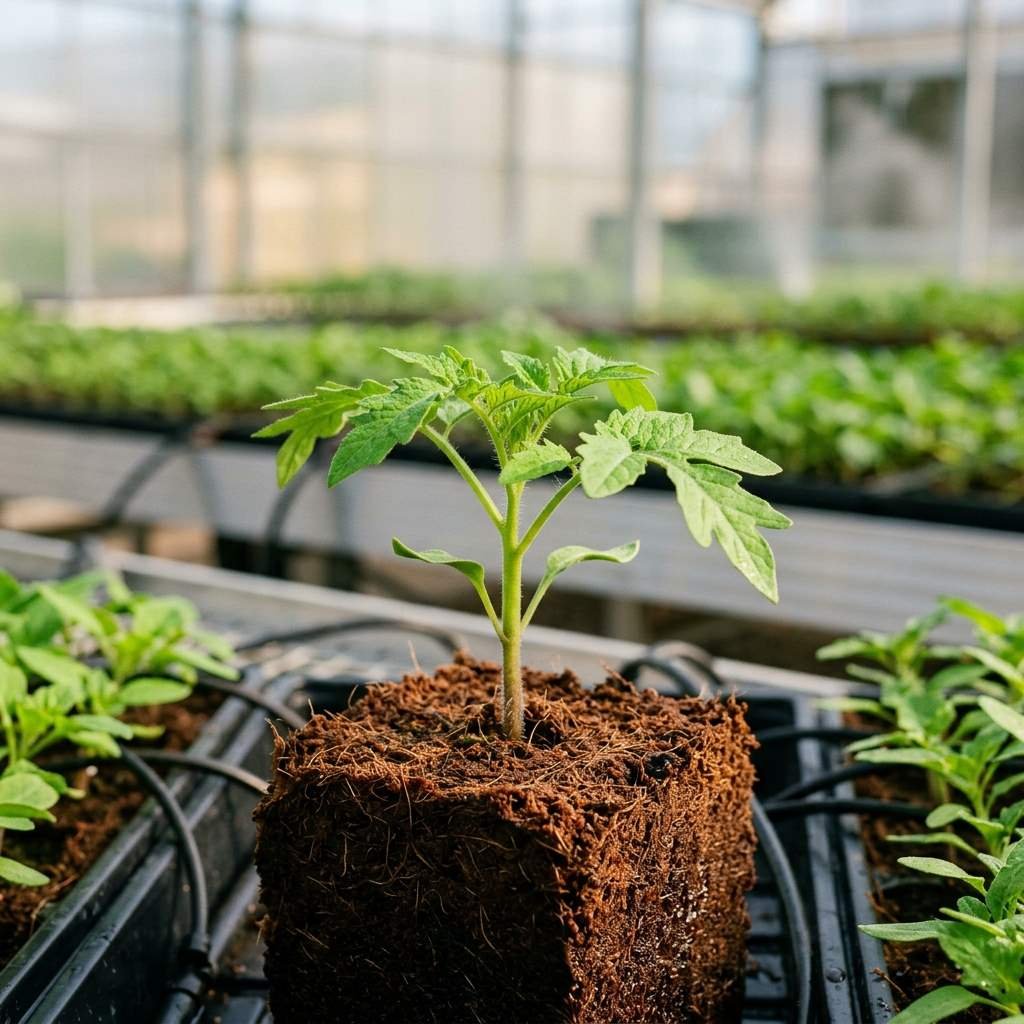
In modern agricultural practices, soil-based cultivation is increasingly being replaced by soilless culture systems. As commercial greenhouses, professional nurseries, and vertical farms expand worldwide, growers are seeking high-efficiency substrates that guarantee optimal root development, precise nutrient control, and maximum yield. Among the various substrates available, coconut coir has emerged as the global standard for organic soilless cultivation.
Traditional soil farming is facing unprecedented challenges, including soil depletion, structural compaction, soil-borne diseases, and water scarcity. Soilless cultivation, or hydroponics, addresses these challenges by replacing field soil with inert, highly porous growing mediums. By isolating the root system from the ground, growers can prevent soil pathogens like Fusarium and Pythium, while recycling water and fertilizer run-offs to reduce environmental waste.
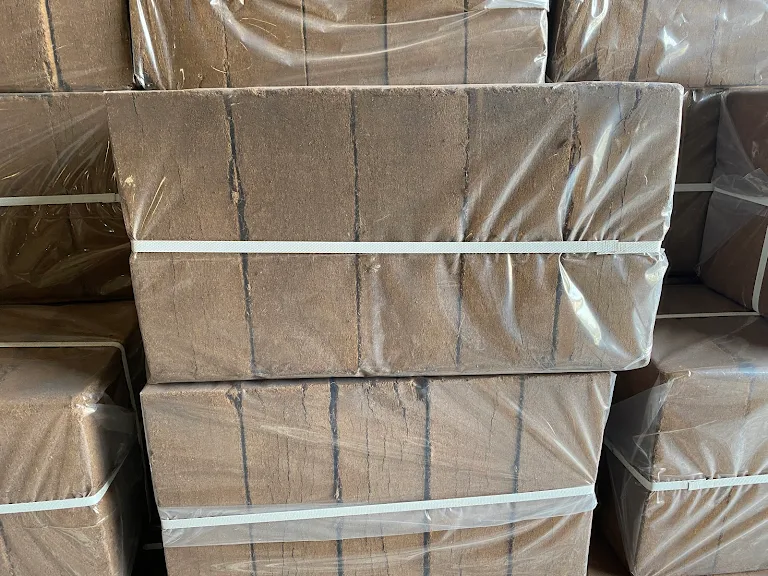
Coconut coir (or coco peat) is a 100% organic, renewable byproduct of the coconut harvesting industry. Derived from the fibrous mesocarp (husk) of the coconut, raw coir is processed through a sequence of curing, aging, screen-sifting, and washing. Importers must prioritize properly washed coir: when raw husks are soaked in saline coastal waters, they absorb high levels of sodium and potassium salts. Commercial manufacturers like GVB Coirs sun-cure and wash the fiber with clean fresh water to remove these salts, ensuring a balanced, low electrical conductivity (EC) level prior to hydraulic compression into 5KG blocks.
Coco coir holds an exceptional combination of physical and chemical properties that make it superior to peat moss and rockwool:
In soilless farming, Electrical Conductivity (EC) measures the concentration of soluble salts in the substrate. High salinity in unwashed coir creates osmotic stress, preventing the roots from absorbing water and causing nutrient lockout or leaf burn. Importers should always specify Low EC (washed) substrates (typically < 0.5 mS/cm) for seed germination, young saplings, and sensitive greenhouse crops like tomatoes and berries. High EC (unwashed) coir is suitable only for mature, salt-tolerant landscaping plants or soil aeration mixes.
For decades, commercial farming relied heavily on peat moss. However, peat moss mining destroys ancient peatlands, releasing millions of tons of carbon dioxide into the atmosphere. Coconut coir is a fully renewable, circular resource harvested from existing palm plantations, with zero carbon footprint from raw extraction. Once its lifecycle as a hydroponic substrate is complete, coco coir is 100% biodegradable and can be recycled as a premium soil conditioner for organic field crops or home gardens.